

SILENCE AND THE ART OF LISTENING — What Becomes Visible When We Stop Speaking
Updated: 23 hours ago
A conversation can end long before either person falls silent. The words continue, but nobody is listening. Each voice is preparing its next defense. Every pause becomes an opportunity to regain control. I used to think the difficult part was finding the right thing to say. Then I tried an experiment: I resolved not to speak for an entire week.
I did not even make it through the first day.
That failure stayed with me. Silence had revealed an impulse I had barely noticed: how quickly I reach for language to fill uncertainty, defend an image, or make myself heard. Sometimes the first obstacle to understanding is not the other person's voice. It is my own.
The Discipline Behind an Empty Space
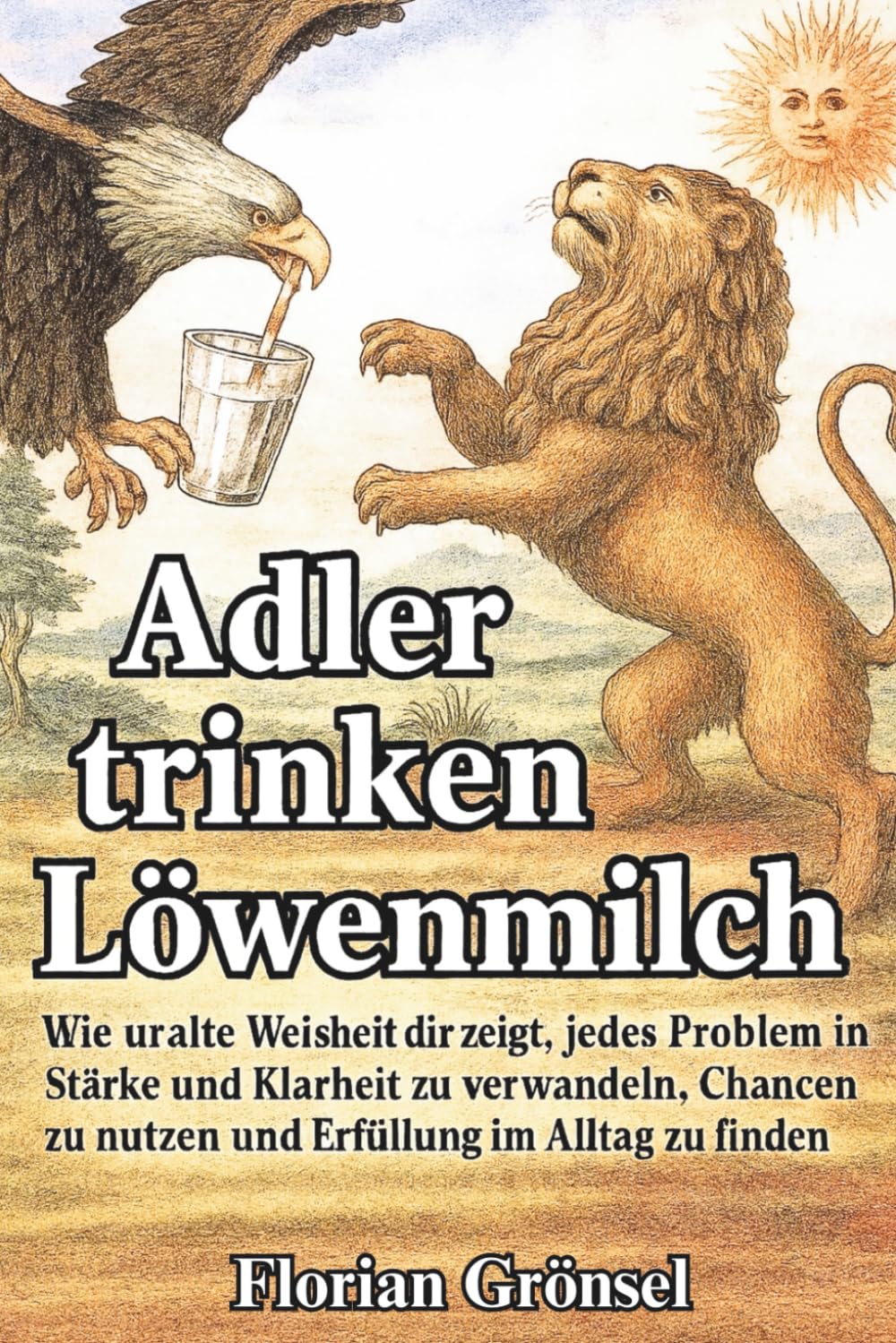
Chapter Ten of When Eagles Drink Lion’s Milk begins with the distinction between talking, listening, and silence. The ancient Pythagorean school is sometimes associated with a prolonged period of silence for students, traditionally described as five years. The historical details are uncertain, and the story should not be treated as an established classroom rule. As a philosophical image, however, it asks a useful question: what would we notice if we spent less energy performing understanding and more energy practicing it?
Real listening does not mean merely waiting until it is our turn. It asks us to quiet the internal commentary that supplies a counterargument before the speaker has reached the end of a sentence. In that sense, listening is a double silence: the mouth grows quiet, and so does the rehearsed response.
When a Courtroom Became a Mirror
In the book, I describe my experience of a court proceeding through the imagery of The Wonderful Wizard of Oz. To my eyes at the time, the room seemed filled with figures missing something essential: heart, reason, courage, or freedom from fear. It was my subjective way of understanding a difficult situation, not a factual judgment about the private motives of the other people involved.
Instead of trying to answer every accusation immediately, I sometimes allowed the speakers to continue and let contradictions emerge. That experience gave me an insight into the power of restraint. There are moments when another person's words become clearer when we stop interrupting them.
This is not universal legal advice. In a real proceeding, deadlines, evidence, representation, and the need to respond may be crucial. Silence can protect clarity in one setting and cause harm in another. The lesson is not never to speak. It is to know what our words are for.
The Courage to Wait, and the Courage to Speak
There is a connection here to Chapter Three, the book's parable of lion's milk. Anger wants the final word immediately. Fear may drive us to explain ourselves before we have understood the question. Courage may mean waiting until our response is proportionate. But it may also mean breaking silence, naming an injustice, or asking for help.
Silence is not automatically wise. It can be used to intimidate, exclude, or withdraw necessary care. Its value depends on the intention and the circumstances. Deliberate silence leaves space for truth. Punitive silence denies another person the possibility of being heard.
The Forge Before the Sword
In the original German chapter, I compare speech to a sword and silence to the forge in which the sword receives its weight and purpose. The metaphor is not about defeating everyone who disagrees with us. It is about choosing words that can actually carry what we mean.
Speak constantly, and meaning becomes scattered. Never speak, and even the necessary truth may remain locked inside. Wisdom is the judgment that distinguishes one moment from the other.
Perhaps the deepest achievement of listening is not discovering what the other person secretly thinks. It is discovering how much we have been adding to their words without noticing.
This essay draws on Chapter Ten, Silence and the Art of Listening, in When Eagles Drink Lion’s Milk and connects it to Chapter Three's inquiry into anger and courage.
Continue the exploration in the complete English book, When Eagles Drink Lion’s Milk: twenty-two personal and philosophical reflections on courage, self-knowledge, and the art of looking again.



Comments