
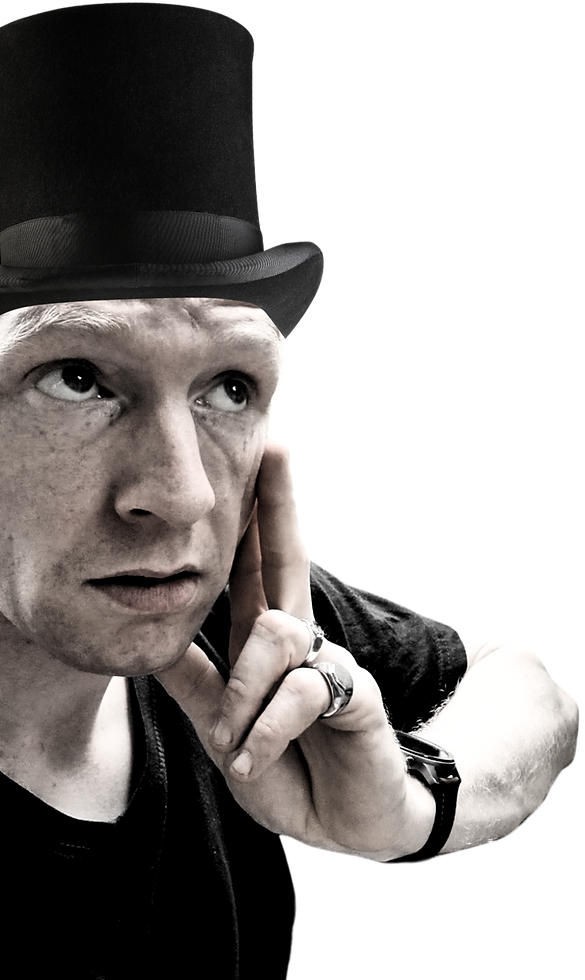
THE FIRST IMPRESSION — What We See, and What It Hides
Updated: 23 hours ago
A stranger enters the room. Before they have said enough for us to know anything substantial, we have already begun to decide. Reliable or suspicious. Important or unremarkable. Someone worth listening to, or someone we can afford to overlook. The judgment arrives so quickly that we may mistake it for insight.
First impressions are not useless. They help us navigate a world in which we cannot investigate every detail. The danger begins when a first impression becomes the last question we ask.
The Child Who Could Count to Sixty
In Chapter Two of When Eagles Drink Lion’s Milk, I recall an ordinary math lesson in my daughter’s first-grade classroom. The teacher was explaining simple addition and told the children they could count to ten on their fingers.
My daughter raised her hand. She said she could count to sixty using her hands. The teacher was doubtful and curious. The child then demonstrated a method of using the joints of the fingers, a counting technique I had shown her in connection with the ancient Mesopotamian tradition of base-sixty numeration.
The episode surprised the teacher. More importantly, it changed what she expected from my daughter. An ability that had already existed was suddenly visible. The child had not become someone else in those few minutes. The observer had acquired a new piece of information.
We often tell stories about first impressions as though they expose the truth of another person. Sometimes what they really expose is the limit of our previous knowledge.
The Man in the Cleaning Uniform
I remember another version of this lesson from the years when I worked for a cleaning company while pursuing my studies. To many people, I was simply the cleaner. They saw the task, the uniform, and the position. They did not see the study, ambition, or discipline that existed beyond that role.
In the book I describe receiving six pay increases in nine months, from €11.25 to €16.75 an hour. To me, those raises showed the gulf between the initial label and what people discovered as they worked with me. The numbers matter less than the mechanism: a visible role was mistaken for an entire identity.
Put these two memories beside each other. My daughter’s unexpected knowledge opened a door. My job title could close one before anyone had asked a serious question. In both cases, reality was larger than the story others first told about it.
Why Appearances Borrow Authority
Advertising uses the same shortcut. A white coat suggests medical expertise; a familiar logo suggests legitimacy; a confident voice suggests certainty. These cues can be useful, but none substitutes for evidence. The appearance of expertise is not the same as an expert claim that has been checked.
The philosopher’s task is not to distrust everyone. Suspicion can become another form of prejudice. The task is to keep observation separate from interpretation. What did this person actually do or say? Which qualities have I inferred? What further information might change my mind?
That distinction matters online as much as in a classroom. A photograph, an impressive title, and a polished sentence can create a feeling of authority before we have examined a single source.
The Second Look
There is no way to live without first impressions. We use them whenever we meet another person. But we can refuse to confuse speed with depth. We can notice the label we have assigned and hold it provisionally.
A first impression can open a door. It should never be allowed to lock the room behind it.
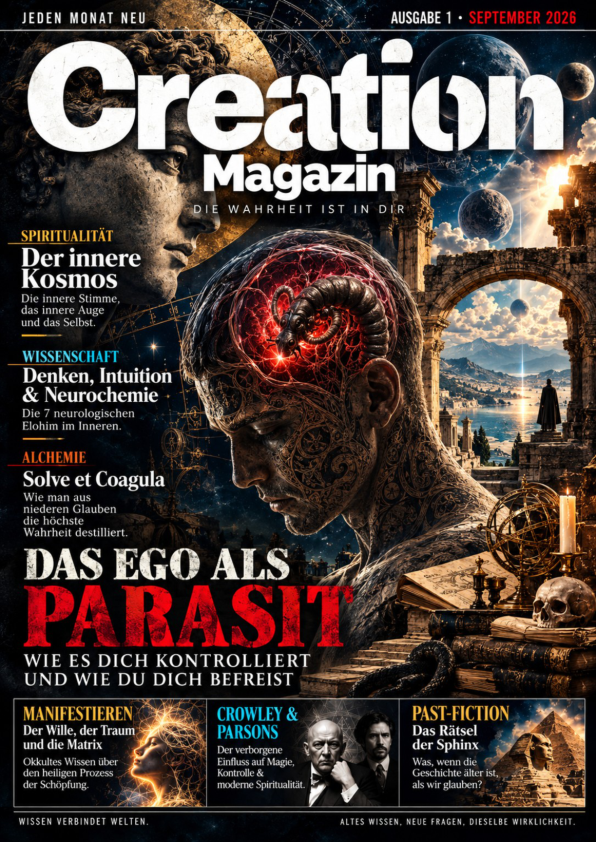
This article develops Chapter Two, The First Impression, of When Eagles Drink Lion’s Milk, and connects its personal stories to CREATION’s wider inquiry into perception, bias, and truth.
Continue the exploration in the complete English book, When Eagles Drink Lion’s Milk: twenty-two personal and philosophical reflections on courage, self-knowledge, and the art of looking again.




Comments