
GRIEF — Why Loss Does Not Owe You a Lesson

Someone dies, and the world produces instructions. Be strong. Remember the good times. Appreciate the lesson. Everything happens for a reason. Some of these words arrive from people who genuinely care. That does not make them easier to hear.
A person who has lost a friend may not need a philosophy of improvement. They may need someone to sit at the same table and acknowledge the chair that will remain empty.
There is a cruel temptation hidden inside certain versions of self-help: the demand that suffering justify itself. If every painful event must make us wiser, stronger, or more productive, we are given a second burden on top of the first. We must not only endure the loss; we must deliver an acceptable result.
The difficult tenderness of Seneca
In Letter 63 to Lucilius, written after the death of a friend, the Roman philosopher Seneca acknowledges the pain of bereavement while arguing against grief that consumes one's entire life. He permits tears and urges his reader not to become lost in them. His ideal is a form of steadiness that still recognizes attachment.
The letter is not a contemporary manual of mourning. Its judgments about the proper measure and duration of grief can sound severe, especially to anyone who has experienced a loss that changes the structure of daily life. Stoic moderation was part of a larger moral discipline, not an empirical timetable for human recovery.
Yet one question from this ancient conversation remains alive. Is it possible to remember without being compelled to suffer at every recollection? And if that becomes possible, have we betrayed the person we loved—or learned a less punishing form of fidelity?
There may be no universal answer. The bonds between people are not interchangeable, and neither are the circumstances of loss.
Meaning is not compensation
Suppose you find a new tenderness toward other people after losing someone close. Perhaps you become more patient with strangers, or more willing to say the words you once postponed. Those changes may be real. But they do not repay the loss. They do not make the death a gift.
The distinction matters because meaning and justification are different. To find meaning in what follows an event is not to insist that the event had to happen. We can refuse to call an injury good while still refusing to let the injury write every remaining chapter.
That refusal does not always appear as a dramatic breakthrough. Sometimes it appears as making breakfast, attending an appointment, or answering a friend's message after days of silence. Such gestures may be neither inspiring nor impressive. They may nevertheless be the ordinary ways a life becomes habitable again.
What alchemy can and cannot tell us
The language of alchemy is often borrowed to describe inner transformation: darkness, dissolution, the slow emergence of a changed form. Its imagery can help us imagine that a difficult season is not the whole story. It becomes dangerous when symbolism is mistaken for a law of nature: suffer enough, and enlightenment will necessarily follow.
No one is owed enlightenment by pain. No one has failed spiritually because grief remains. Ancient alchemical writings and later psychological interpretations belong to different histories; neither can promise a cure for bereavement.
A symbol can offer a vocabulary for experience. It should not become a verdict on whether somebody is mourning correctly.
The freedom to remember without performing
There is also a public side to grief. People sometimes ask what they should see from us: tears, a smile, gratitude, composure, proof that we are coping. The bereaved may then feel obliged to perform sincerity. Too much laughter seems disloyal; too much sadness seems unhealthy.
Perhaps a kinder standard is to let remembrance change shape. On one day it is a wound. On another it is an ordinary object, a song, a recipe, a turn of phrase. It may return painfully years later. None of these moments invalidates the others.
If grief becomes overwhelming or makes daily functioning persistently impossible, professional support can help; philosophy does not replace appropriate care.
An invitation, not a conclusion
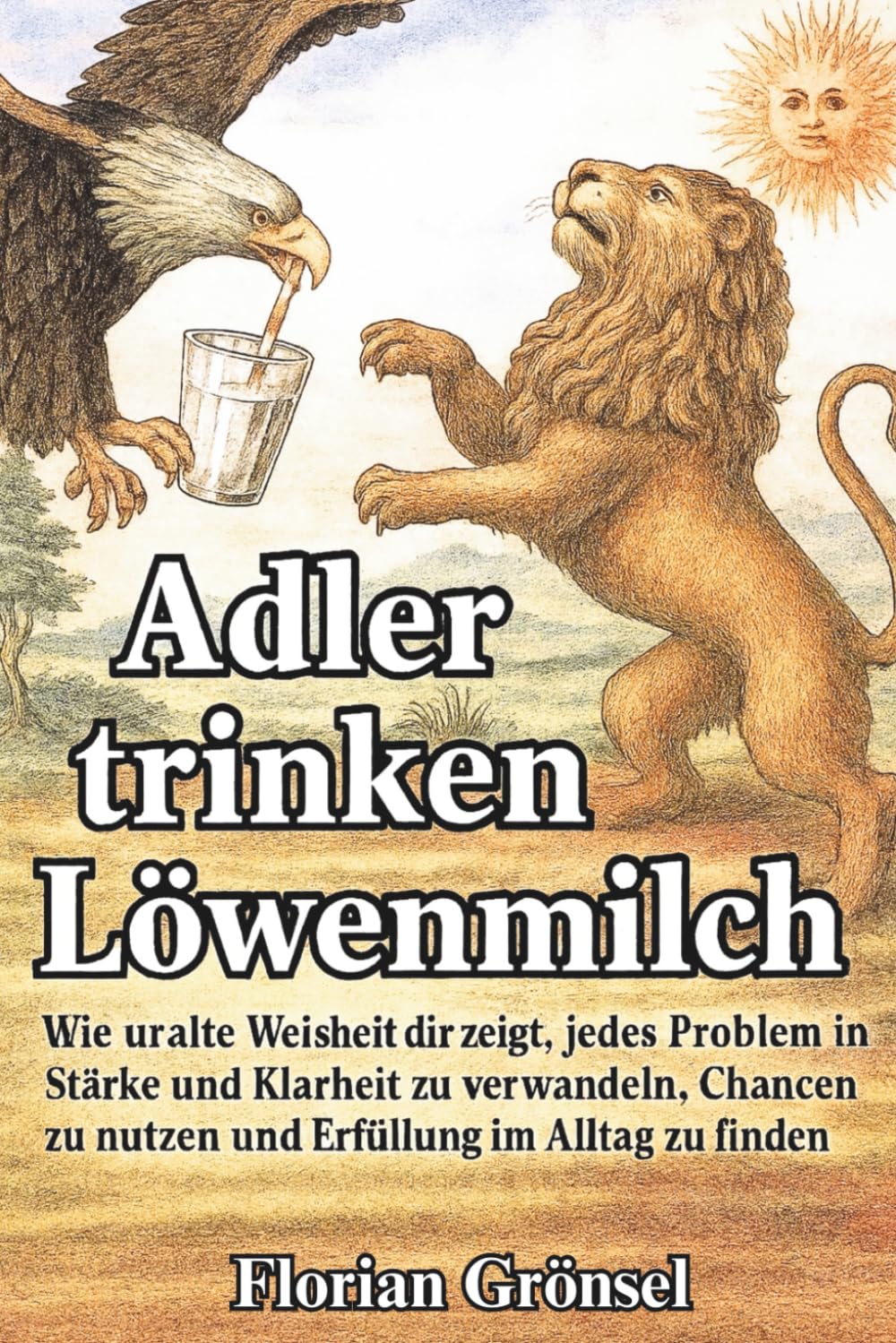
When Eagles Drink Lion’s Milk approaches loss, courage and the search for meaning through personal philosophical reflections. It does not ask readers to be thankful for what hurt them. It asks whether an honest relationship with pain can leave room for a future that is more than pain.
Sources and further reading
Continue reading with CREATION
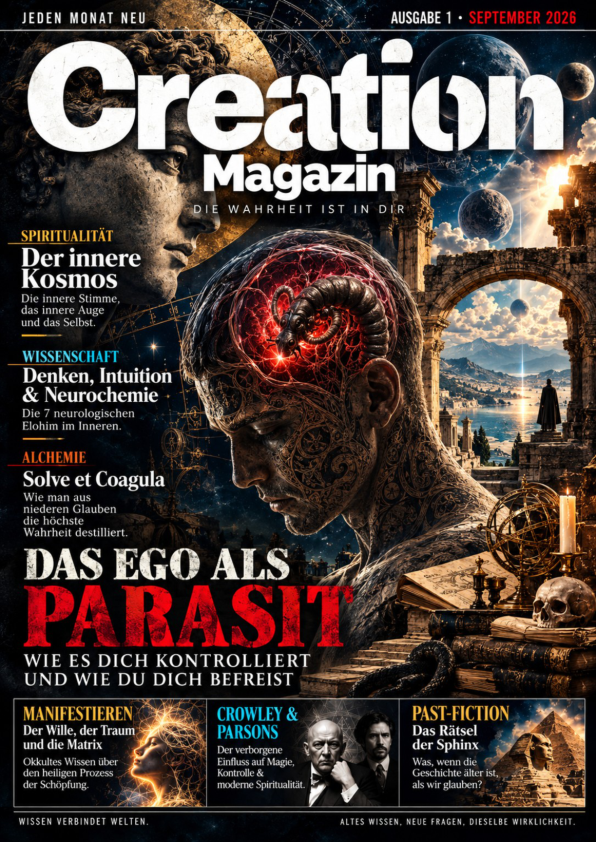
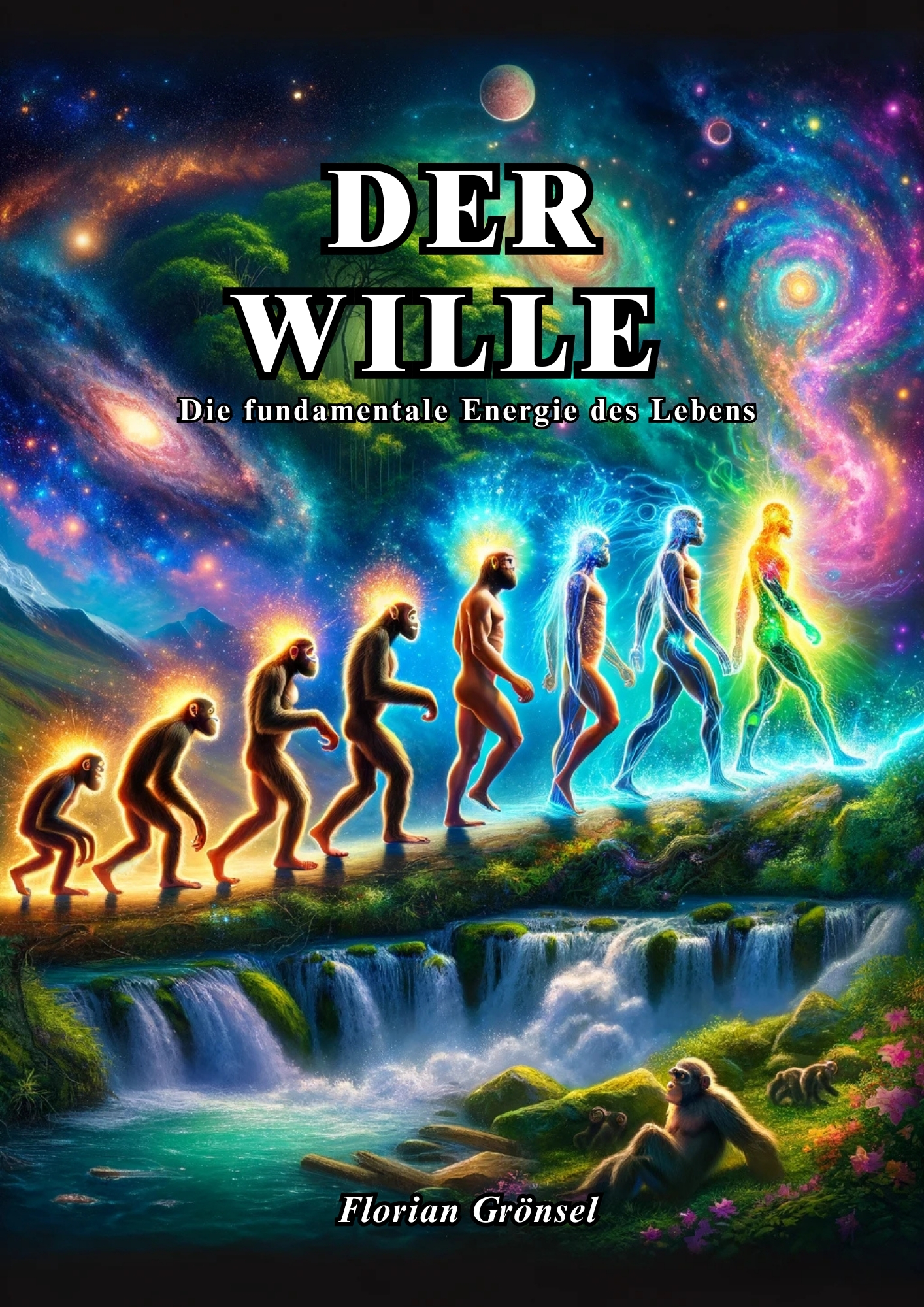
These essays are part of the CREATION knowledge universe. Florian Grönsel’s English book When Eagles Drink Lion’s Milk: Finding Courage, Clarity, and Meaning in Everyday Life brings the questions into twenty-two personal reflections. The Kindle edition is listed on Amazon.com; purchasing availability can depend on marketplace and location.

More from CREATION: CREATION bookshop · The Eagle and the Lion — introductory essay


Comments